Showing posts with label Coral. Show all posts

Thursday, 19 February 2015

Bay Canh Island, Con Dao - Vietnam

Bay Canh Island
Dive site: Bay Canh
Dive time: 64 minutes
Depth: 10 metres
Temp: 24°C
Visibility: 6-8m


 I didn't manage to see any Dugongs underwater - only this one on land.


Thursday, 7 August 2014

Indonesia, Bunaken Marine Park - Raymond's Point Wall Dive #4

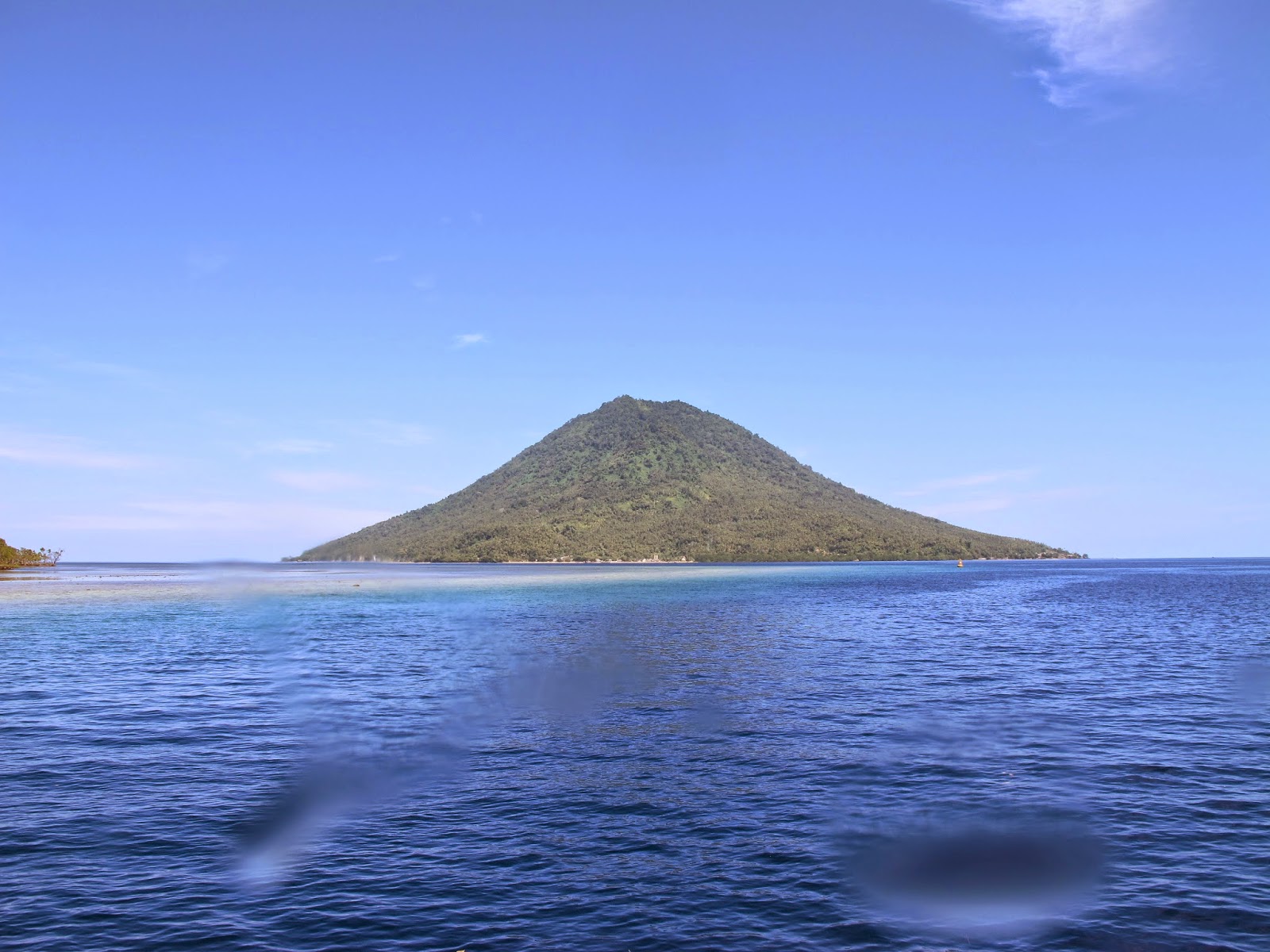
Manado Tua island


Goniobranchus coi

Sea fan

Clam

Bunaken Marine Park
Dive site: Raymond's point
Indonesia dive number: 4
Entry time: 10:54 am
Dive time: 59 minutes
Depth: 22.3 metres
Temp: 29°C 
Type: Wall dive

Indonesia, Bunaken Marine Park - Mike's Point Wall Dive #3


Bunaken
Dive site: Mike's point
Indonesia dive number: 3
Entry time: 8:39 am
Dive time: 53 minutes
Depth: 29.9 metres
Temp: 29°C 
Type: Wall dive

Indonesia, Bunaken Marine Park - Alung Banua Night Dive #2


Bunaken
Dive site: Alung Banua
Indonesia dive number: 2
Entry time: 6:11pm
Dive time: 60 minutes
Depth: 16.2 metres
Temp: 28°C

Wednesday, 11 September 2013

Nha Trang Divin - Hon Mun Island, Vietnam


Nha Trang is the most famous dive location in Vietnam.  I went diving with Rainbow Divers Nha Trang, the best known dive centre and most well established of the Rainbow Divers centres.


Diving regularly take place around the island of Hon Mun which was declared a 'protected' Marine Park in 2003.  Hon Mun is located to the south of Nha Trang Bay and is characterised by cliffs, caves and numerous grottoes.


The island's excellent diving is largely due to its close proximity to warm sea-currents from the equator which are particularly favourable to the development of soft and hard corals whilst offering the ideal environment to an abundance of tropical sea creatures.


Hard Coral, Nha Trang - Hon Mun Island, Vietnam


Hard corals are the reef builders. The hard coral polyp, such as those in Brain Coral, secrete a limestone skeleton cup around itself and live inside it for protection. When a polyp dies, its skeleton house remains intact.  The name "hard coral" derives from the skeleton which forms around the polyp.